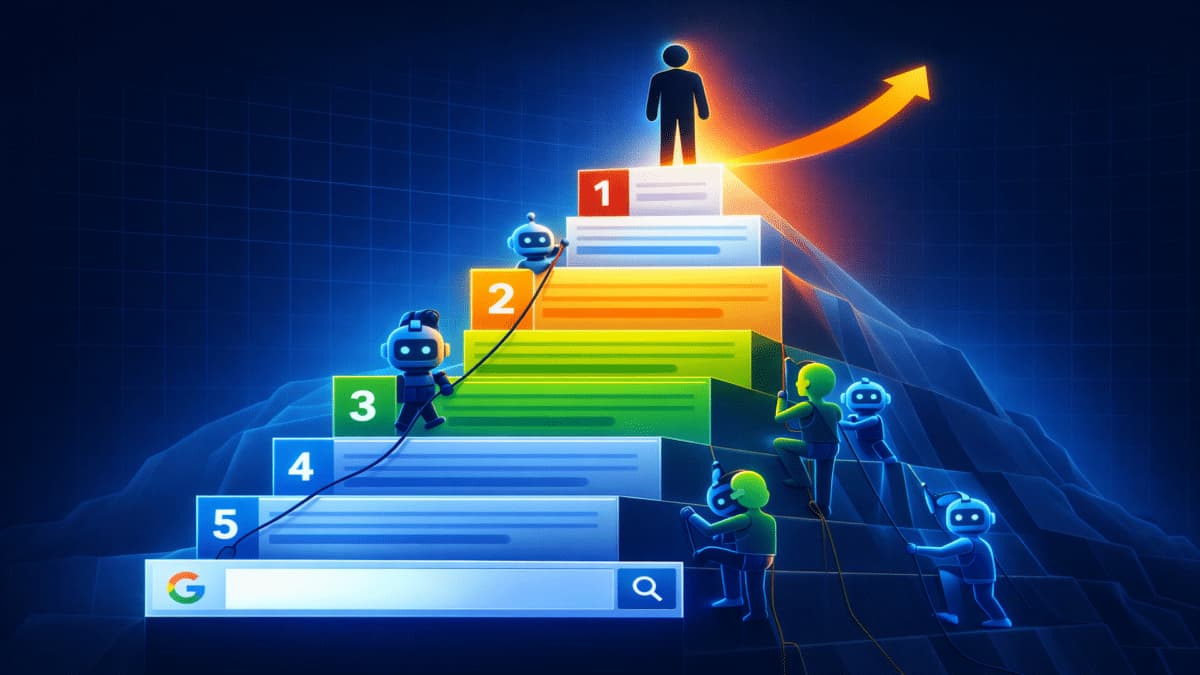

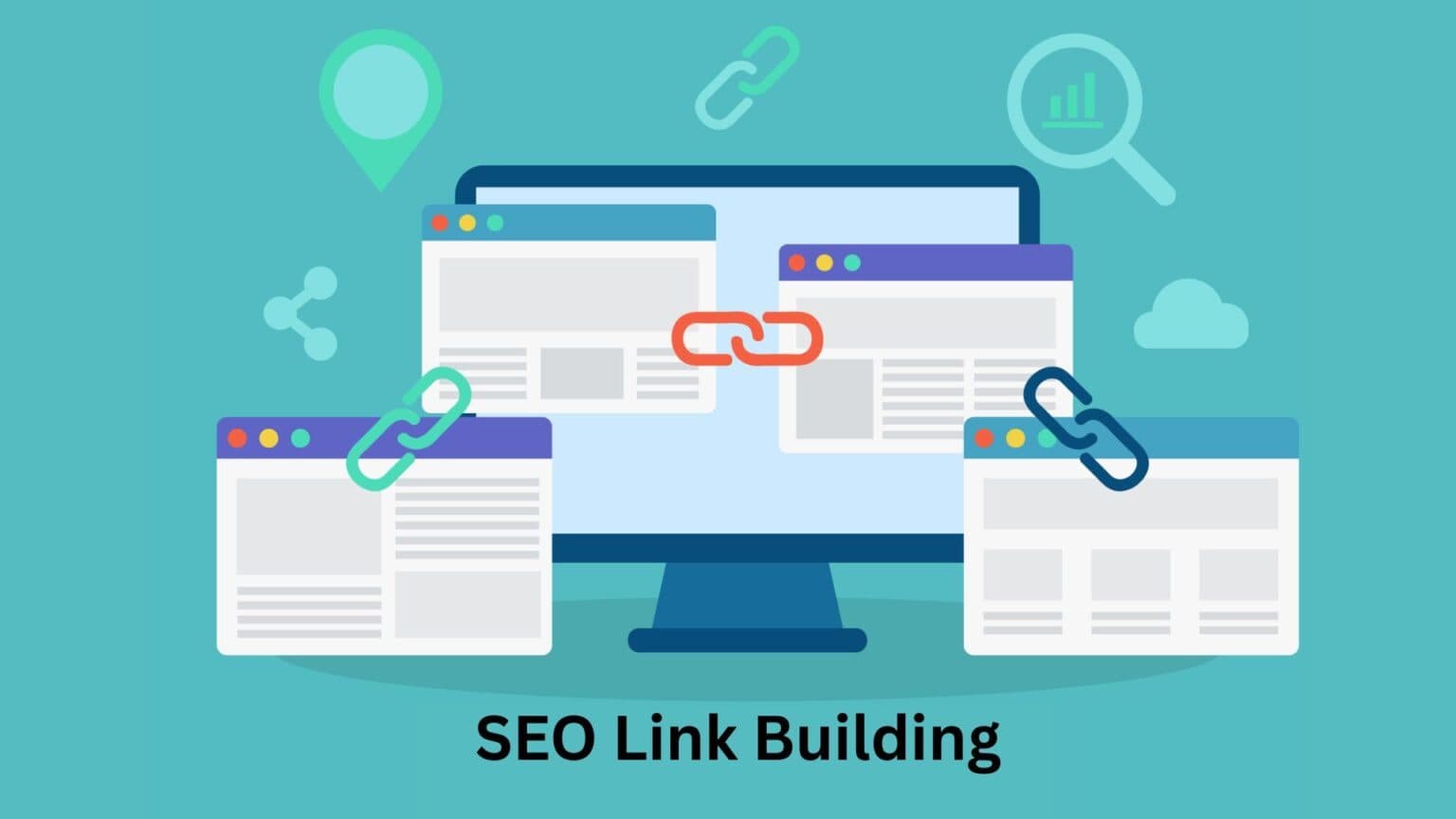
Link building plays a critical role in search engine optimization (SEO). It supports organic traffic growth through search engines and contributes significantly to long-term visibility. By acquiring high-quality links, you can strengthen your website’s authority and improve overall business performance. Let’s break down how links work and how to build them effectively.
What is a Link?
A link acts as a digital connection between two web pages. It allows users to move from one page to another, whether it’s a blog post, landing page, or any online resource. In simple terms, it functions as a pathway that connects different parts of the internet.
From a search engine perspective, links are equally important. Search engine bots rely on links to discover new pages through a process called crawling. For a new website, having at least one link from an already indexed site is essential for visibility.
Types of Links
There are two primary categories of links:
Internal Links
These links connect pages within the same website. They help users navigate content easily and improve the site structure. Internal linking enhances user experience and ensures better content flow across pages.
External Links (Backlinks)
External links are connections between different websites. When another site links to your page, it is considered a backlink. These links signal credibility and authority to search engines, while links you provide to others also contribute to the web ecosystem.
What is Link Building in SEO?
Link building refers to the process of acquiring links from other websites to your own. It is a key ranking factor because it signals to search engines that your content is valuable and trustworthy.
Links help search engines crawl the web efficiently and understand the relationships between pages. While some links are created intentionally, others occur naturally—such as when journalists or bloggers reference useful content.
The long-term goal is to earn links organically by creating content, products, or services that others find valuable enough to reference.
Components of a Hyperlink
Understanding the structure of a hyperlink is essential:
- Anchor Tag (Start Tag): Indicates the beginning of a link.
- Href Attribute: Defines the destination URL.
- Anchor Text: The clickable text visible to users.
- Closing Tag: Marks the end of the link.
These elements help search engines interpret the context and relevance of links.
Role of Links in Search Engines
Search engines use links in two major ways:
- Discovering Pages: Links help search engines find new content across the web.
- Ranking Pages: The number and quality of links influence search rankings.
High-quality backlinks from authoritative sources carry more weight than links from low-quality sites. For example, a link from a reputed publication has far more impact than one from an unknown blog.
Key Link Building Methods
- Adding Links
This includes creating profiles, directory listings, and participating in forums. These foundational links offer limited SEO value but help establish an online presence. - Outreach (Requesting Links)
Reaching out to relevant websites and requesting links. Common techniques include:
- Guest posting
- Broken link building
- Resource page inclusion
- Unlinked mention conversion
- Earning Links
Creating high-value content that attracts links naturally. Examples include:
- Original research and data
- Industry surveys
- Unique insights and opinions
- Case studies and experiments
- Buying Links (Not Recommended)
Purchasing links violates search engine guidelines and can result in penalties. It is best avoided.
Factors That Determine Link Value
Not all links carry equal importance. Key evaluation factors include:
- Authority: Links from trusted, high-authority sites are more valuable.
- Relevance: Links from related topics or industries carry more weight.
- Anchor Text: Helps search engines understand page context.
- Placement: Links placed within content perform better than those in footers or sidebars.
- Destination: Linking to strategic pages improves SEO outcomes.
Effective Link Building Strategies
- Create Linkable Assets: Develop tools, guides, or data-driven content.
- Analyze Competitor Backlinks: Identify and replicate successful link sources.
- Promote Content: Use email, social media, and outreach to increase visibility.
- Guest Posting: Contribute high-quality content to relevant platforms.
- Targeted Outreach: Focus on niche-relevant websites for better success rates.
Business Impact of Link Building
Link building extends beyond rankings and offers broader benefits:
- Stronger Industry Relationships
- Increased Referral Traffic
- Improved Brand Authority
- Higher Trust and Credibility
Conclusion
Link building remains a foundational element of SEO and a long-term growth strategy. By focusing on quality, relevance, and ethical practices, businesses can improve rankings, drive organic traffic, and build a strong digital presence.